Kubernetes vs Docker: Understanding the Difference
Clarify the common confusion between container runtimes and container orchestration platforms. Discover how Docker and Kubernetes complement rather than compete with one another, and determine when simple container runtimes suffice versus when Kubernetes is necessary.
Cloud Solution Lyne Team
Cloud Platform Architect

In cloud infrastructure conversations, 'Docker' and 'Kubernetes' are frequently referenced together, leading many to believe they are competing alternatives. In reality, they operate at completely different layers of the modern cloud-native stack and work best in tandem.
Docker: Packaging and Isolating Applications
Docker is a containerization technology designed to package an application alongside all its operating system libraries, dependencies, and configuration into a portable, reproducible image. It ensures that code running flawlessly on a developer's macOS laptop executes identically on a Linux staging server.
Kubernetes: Orchestrating Containers at Scale
While Docker handles running a single container on a single machine, real-world distributed architectures require managing hundreds or thousands of containers across fleets of physical or virtual servers. Kubernetes is the orchestrator that automates:
- Intelligent Container Scheduling: Determining optimal server nodes to place containers based on CPU and memory availability.
- Self-Healing: Automatically restarting crashed containers and replacing nodes that experience hardware failure.
- Zero-Downtime Rolling Updates: Upgrading application versions gradually without interrupting end-user traffic.
- Horizontal Autoscaling: Adding pod replicas dynamically in response to incoming traffic surges.
- Built-in Service Discovery & Load Balancing: Routing internal traffic cleanly between microservice endpoints.
When Do You Need Kubernetes?
For simple monolithic applications, static marketing websites, or low-complexity microservices, managed container runtimes like AWS App Runner, Google Cloud Run, or Docker Compose on an EC2 instance provide simpler, cheaper alternatives. Kubernetes becomes essential when managing complex microservice meshes, multi-tenant enterprise platforms, or dynamic multi-region deployments.
Related Topics & Cloud Technologies
Related Cloud Architecture Articles
More insights and deep dives in Kubernetes and Docker

Kubernetes Best Practices for Production Environments
Operating Kubernetes in high-scale production requires more than default manifests. Master cluster hardening, resource requests and limits, Pod Disruption Budgets, Horizontal Pod Autoscaling, network policies, and secrets encryption to achieve 99.99% workload uptime.

Docker Containerization Best Practices
Transform bloated, insecure container images into lean, lightning-fast artifacts. Learn multi-stage build patterns, non-root user enforcement, minimal base image selection with Alpine or Distroless, Docker caching mechanics, and automated vulnerability scanning with Trivy.
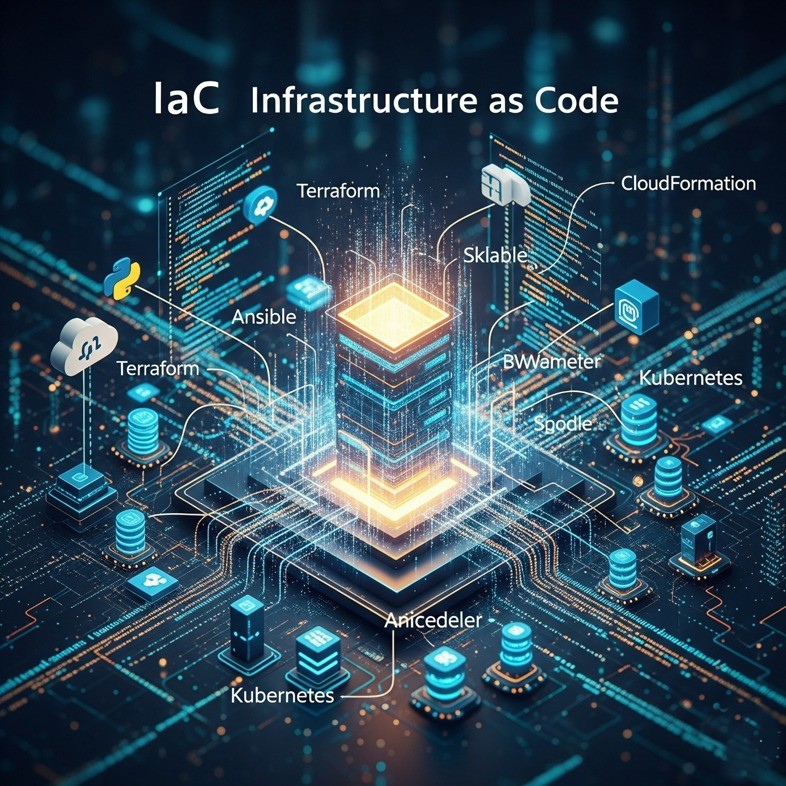
Why Use Terraform for Cloud Infrastructure Automation?
Discover why Infrastructure as Code with HashiCorp Terraform is the industry benchmark for multi-cloud automation. Learn how declarative syntax, state management, modular architectures, and safe dry-run planning eliminate human error and accelerate reliable deployments across AWS, Azure, and Google Cloud.