Why Use Terraform for Cloud Infrastructure Automation?
Discover why Infrastructure as Code with HashiCorp Terraform is the industry benchmark for multi-cloud automation. Learn how declarative syntax, state management, modular architectures, and safe dry-run planning eliminate human error and accelerate reliable deployments across AWS, Azure, and Google Cloud.
Cloud Solution Lyne Team
Principal Cloud Architect
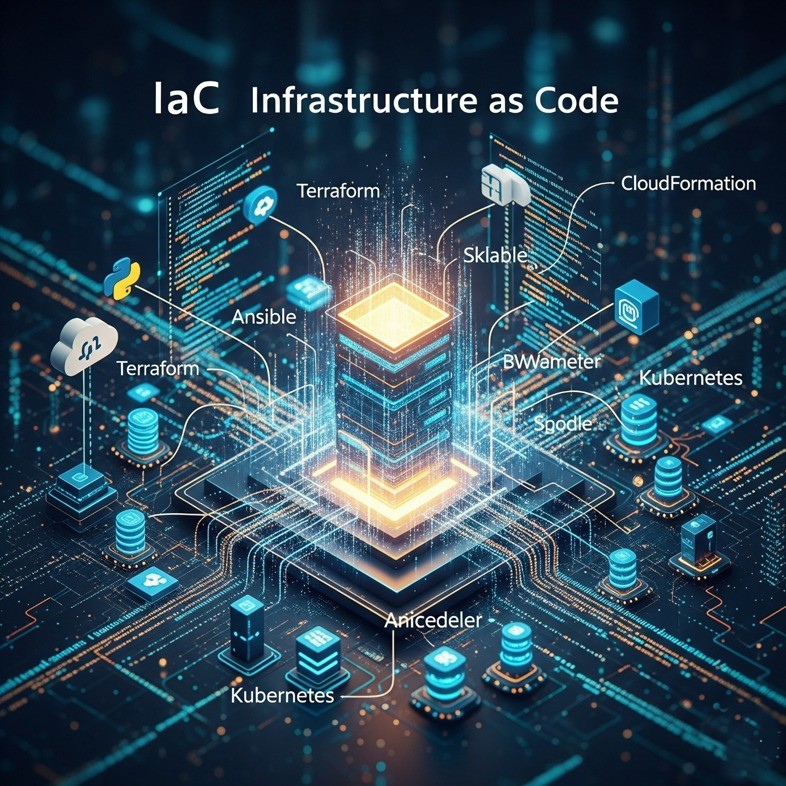
Modern engineering teams face an overwhelming challenge: delivering infrastructure rapidly while maintaining rock-solid security, compliance, and consistency across diverse cloud providers. HashiCorp Terraform has emerged as the definitive standard for Infrastructure as Code (IaC), allowing teams to treat their foundational resources with the exact same rigor, review processes, and version control as their core software applications.
What is Infrastructure as Code (IaC)?
Infrastructure as Code is the practice of provisioning and managing computing resources—virtual private clouds (VPCs), subnets, compute clusters, serverless functions, database instances, and IAM policies—using machine-readable definition files rather than manual configuration via web dashboards or fragmented CLI commands.
Key Benefits of Adopting Terraform
- Declarative Syntax (HCL): Define desired end-states rather than procedural step-by-step scripts, allowing Terraform to calculate optimal dependency graphs automatically.
- State Management & Drift Detection: Terraform tracks real-world cloud state in a centralized backend (e.g. S3 + DynamoDB or GCS), pinpointing unauthorized configuration drift instantly.
- Reusable Modular Architecture: Encapsulate complex topologies—such as HIPAA-compliant VPCs or high-availability Kubernetes clusters—into reusable, versioned modules across organizational teams.
- Predictable Execution with Plan & Apply: Every infrastructure update is inspected via dry-run execution plans before making destructive or live modifications.
- Multi-Cloud & Hybrid Reach: A unified workflow spanning AWS, Microsoft Azure, Google Cloud, Cloudflare, Datadog, and on-premises VMware vSphere.
Production Terraform Example: Multi-AZ AWS VPC
Below is an illustrative Terraform module showcasing declarative resource definitions for a resilient, multi-AZ network topology:
terraform {
  required_version = ">= 1.5.0"
  required_providers {
    aws = {
      source  = "hashicorp/aws"
      version = "~> 5.0"
    }
  }
}

module "vpc" {
  source  = "terraform-aws-modules/vpc/aws"
  version = "5.1.2"

  name = "production-mesh-vpc"
  cidr = "10.0.0.0/16"

  azs             = ["us-east-1a", "us-east-1b", "us-east-1c"]
  private_subnets = ["10.0.1.0/24", "10.0.2.0/24", "10.0.3.0/24"]
  public_subnets  = ["10.0.101.0/24", "10.0.102.0/24", "10.0.103.0/24"]

  enable_nat_gateway     = true
  single_nat_gateway     = false # Multi-AZ High Availability
  one_nat_gateway_per_az = true
  enable_dns_hostnames   = true
  enable_dns_support     = true

  tags = {
    Environment = "production"
    ManagedBy   = "Terraform"
    Team        = "CloudPlatform"
  }
}
Eliminating Human Configuration Errors
Manual cloud configuration is notoriously error-prone. A missed security group ingress rule or misconfigured CIDR block can expose databases to the public internet or cause hours of downtime. By codifying infrastructure into Git repositories with peer reviews, automated linting via TFLint, and security scanning via Trivy or Checkov, infrastructure changes become predictable, audit-ready, and verifiable.
Related Topics & Cloud Technologies
Related Cloud Architecture Articles
More insights and deep dives in Terraform and Infrastructure as Code

Kubernetes Best Practices for Production Environments
Operating Kubernetes in high-scale production requires more than default manifests. Master cluster hardening, resource requests and limits, Pod Disruption Budgets, Horizontal Pod Autoscaling, network policies, and secrets encryption to achieve 99.99% workload uptime.
5 Strategies for Cloud Cost Optimization
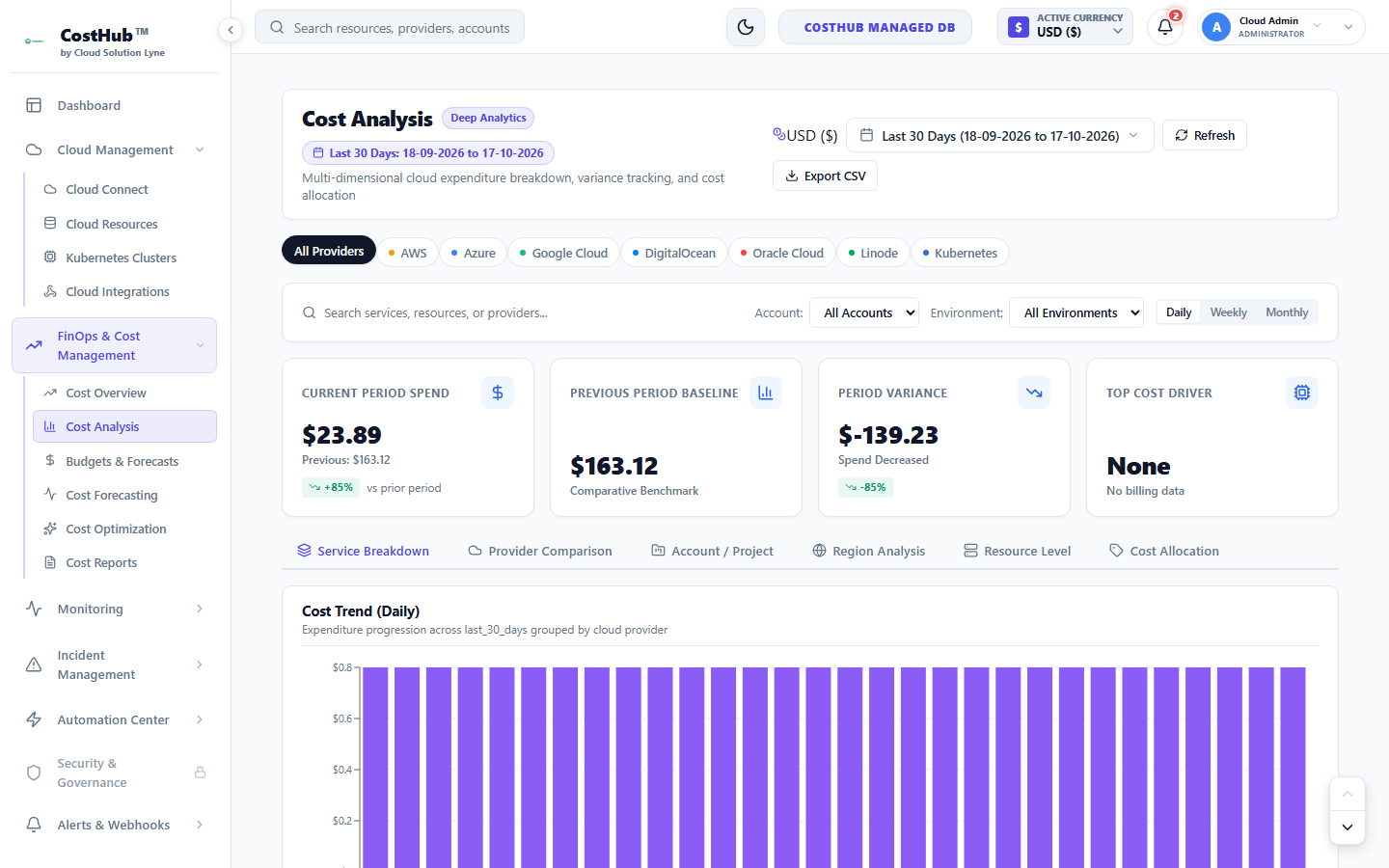
Uncontrolled cloud spending rapidly erodes engineering margins. Discover five battle-tested FinOps strategies: intelligent workload right-sizing, automated idle resource reclamation, commitment savings plans, storage tier lifecycles, and real-time anomaly alerting to reduce spend by 30-45%.
AWS vs Azure vs Google Cloud: Choosing the Right Platform
Evaluate AWS, Microsoft Azure, and Google Cloud Platform across compute performance, managed database capabilities, enterprise security, pricing models, and AI ecosystems. Make an informed architectural decision tailored to your organization's compliance and operational requirements.